Skip to content
When to go

The best time to visit Negombo

Hot all year, with two monsoons that shape the sea and the skies — here is how to choose your dates.

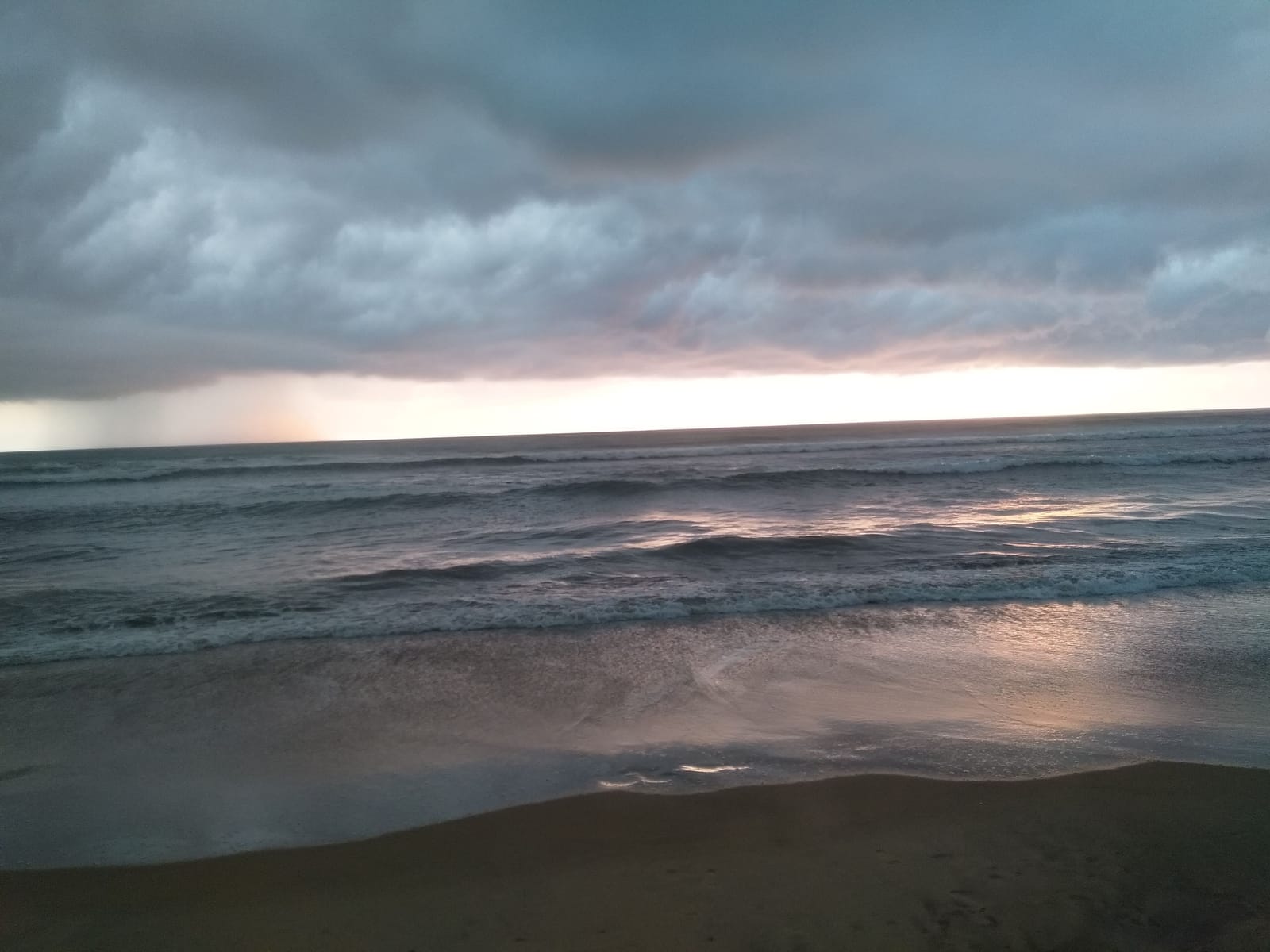
Negombo is tropical: daytime highs sit around 30–32°C in every month and the sea is always warm. What changes is the rain and the state of the ocean. The west coast has its dry, sunny season from December to March, while the southwest monsoon (roughly May to September) brings showers and rough seas, and the inter-monsoon months of April, October and November can deliver heavy afternoon storms.

Because Negombo is mostly an arrival and departure stop, you will pass through whenever your Sri Lanka trip happens — and there is something to enjoy in every month. Rain usually comes in short, heavy bursts, lagoon tours run all year, and monsoon months bring lower hotel prices.

Quick answer
  • Best overall: December to March — sunshine, calm seas and the best beach days.
  • Good value: late April and July to September — some rain, fewer people, lower rates.
  • Wettest: May, October and November — expect heavy showers most days.
  • Lagoon, city and day tours run all year round.
Negombo weather month by month

Typical conditions; weather varies from year to year.

Month Season Rain Temp (°C) Verdict
January Dry season Low 23–31 Excellent — sunny days, calm sea, peak season.
February Dry season Low 23–31 Excellent — often the driest month of the year.
March Dry season Low–moderate 24–32 Very good — hot, with occasional showers late in the month.
April Inter-monsoon High 25–32 Good — hot and humid with afternoon storms; New Year festivities.
May SW monsoon Very high 25–31 Fair — wettest start of the monsoon; rough sea; Vesak lanterns.
June SW monsoon High 25–30 Fair — breezy, showers, sea not for swimming.
July SW monsoon Moderate 25–30 Good — rain eases; great time for the Cultural Triangle.
August SW monsoon Moderate 25–30 Good — fewer showers, busy with European summer travellers.
September SW monsoon Moderate–high 24–30 Fair — mixed weather, low prices.
October Inter-monsoon Very high 24–30 Fair — heavy afternoon storms; lush and green.
November Inter-monsoon High 23–30 Fair to good — improving towards the end of the month.
December Dry season Moderate 23–30 Very good — sunshine returns; festive and busy.

Negombo’s seasons explained

Dry season (December–March)

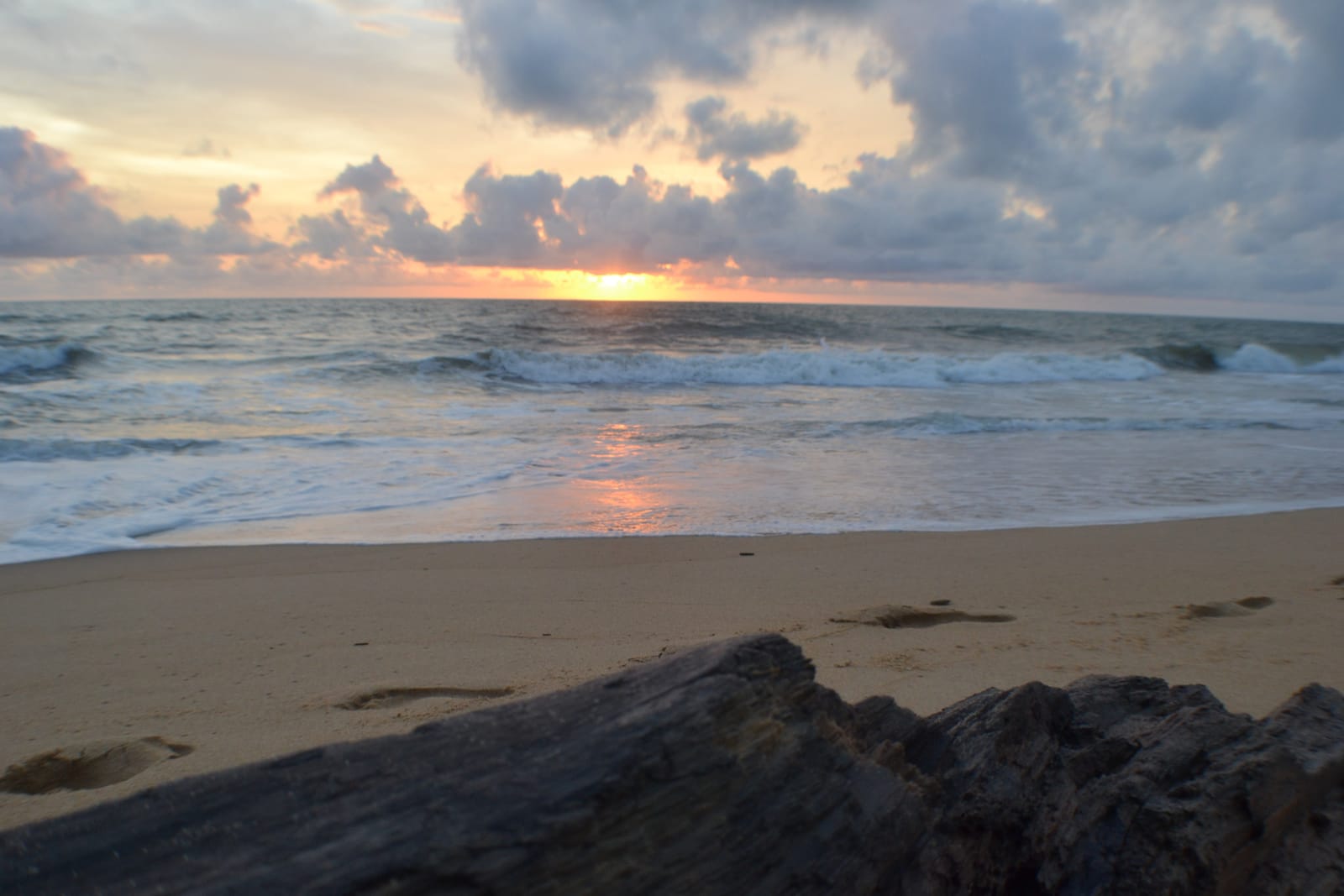
The northeast monsoon brings rain to the east of the island, leaving the west coast sunny and calm. This is Negombo at its best — golden sunsets, safe swimming and perfect conditions for boat tours.

  • Calmest sea and best swimming
  • Peak prices; book ahead
  • Christmas is a big celebration in “Little Rome”

Southwest monsoon (May–September)

Moist winds from the Indian Ocean bring showers — heaviest in May and June — and big waves. Mornings are often bright, and the rain typically arrives in intense bursts.

  • Sea too rough for swimming at times
  • Lower hotel prices
  • Ideal time to head to the east coast and Cultural Triangle

Inter-monsoon (April and October–November)

Between the monsoons the winds drop and thunderstorms build over land in the afternoon. October is often the wettest month of all on the west coast.

  • Hot, humid mornings
  • Dramatic afternoon storms
  • Lush, green countryside

Festivals worth planning for

Negombo’s calendar mixes Catholic and Buddhist celebrations. Easter week features Passion plays, St Sebastian’s feast is celebrated in January, the Sinhala and Tamil New Year falls in mid-April and Vesak fills the streets with lanterns in May.

  • Poya (full moon) days are public holidays
  • No alcohol is sold on Poya days
  • Churches are packed for Christmas and Easter

When is the best time for Negombo lagoon and wetland tours?

Boat tours run all year. Sunrise and late afternoon are the best times of day — cooler, better light and more birds. In the dry season the water is calmest; in the monsoon, trips may be rescheduled after heavy storms.

What about day trips?

Sigiriya and Dambulla are good most of the year and particularly pleasant from January to April and in July–September, when the Cultural Triangle is dry. The famous elephant gathering at Minneriya and Kaudulla peaks from roughly July to October. Kandy celebrates the spectacular Esala Perahera procession in July or August.

Plan your Negombo stay

Turn your first (or last) night in Sri Lanka into a highlight

Lagoon safaris at sunrise, tuk-tuks through fishing villages and easy day trips to Sri Lanka’s greatest sights — all 20 minutes from Colombo airport. Compare tours and book in a couple of taps.

Good to know

Best time to visit Negombo: FAQs

Frequently asked questions

What is the best month to visit Negombo?

February is usually the driest and sunniest month, with January and March close behind. December is lovely too, though busier around Christmas.

Is it worth visiting Negombo during the monsoon?

Yes, as long as beach swimming is not your main goal. Rain tends to fall in short bursts, tours and restaurants stay open, and hotels are cheaper. Use a hotel pool rather than the sea when the waves are big.

How hot does Negombo get?

Daytime highs are about 30–32°C all year with high humidity, and nights rarely drop below 23°C. Light, breathable clothing and plenty of water are essential.