Skip to content
Things to do

Things to do in Negombo

A fishing town with a Catholic soul, a mangrove lagoon and a sunset beach — here is what to see, and how to see it well.

Negombo rewards curiosity. Its sights are small and close together, but they tell a big story: Portuguese missionaries and Dutch traders, a lagoon that has fed the town for centuries, and a fishing community that still sails outrigger canoes and dries its catch on the sand.

Most of the highlights can be seen in one busy day — by tuk-tuk in the morning and by boat at sunset — but it is worth slowing down to enjoy the beach and the seafood too.

Beach & sea

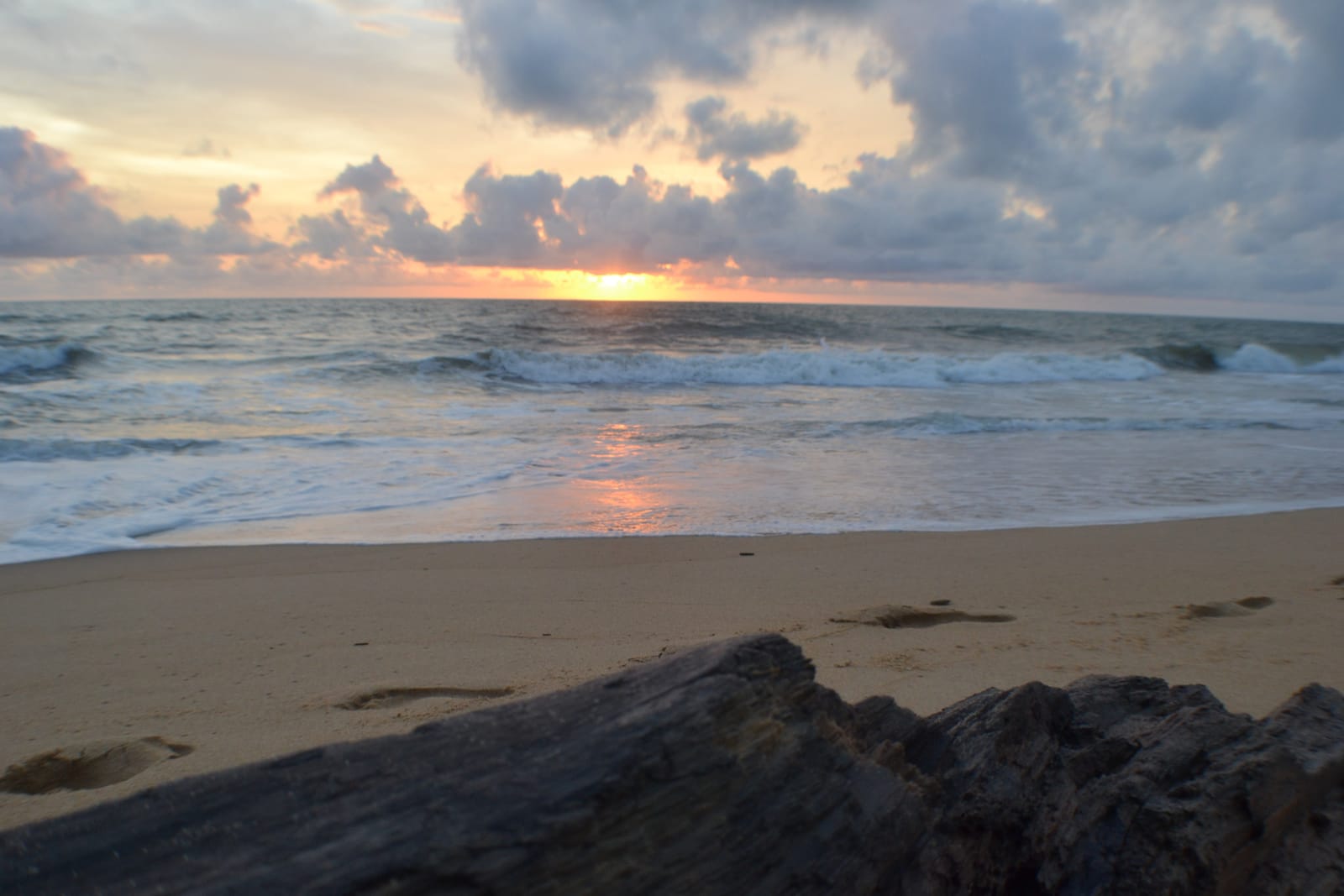
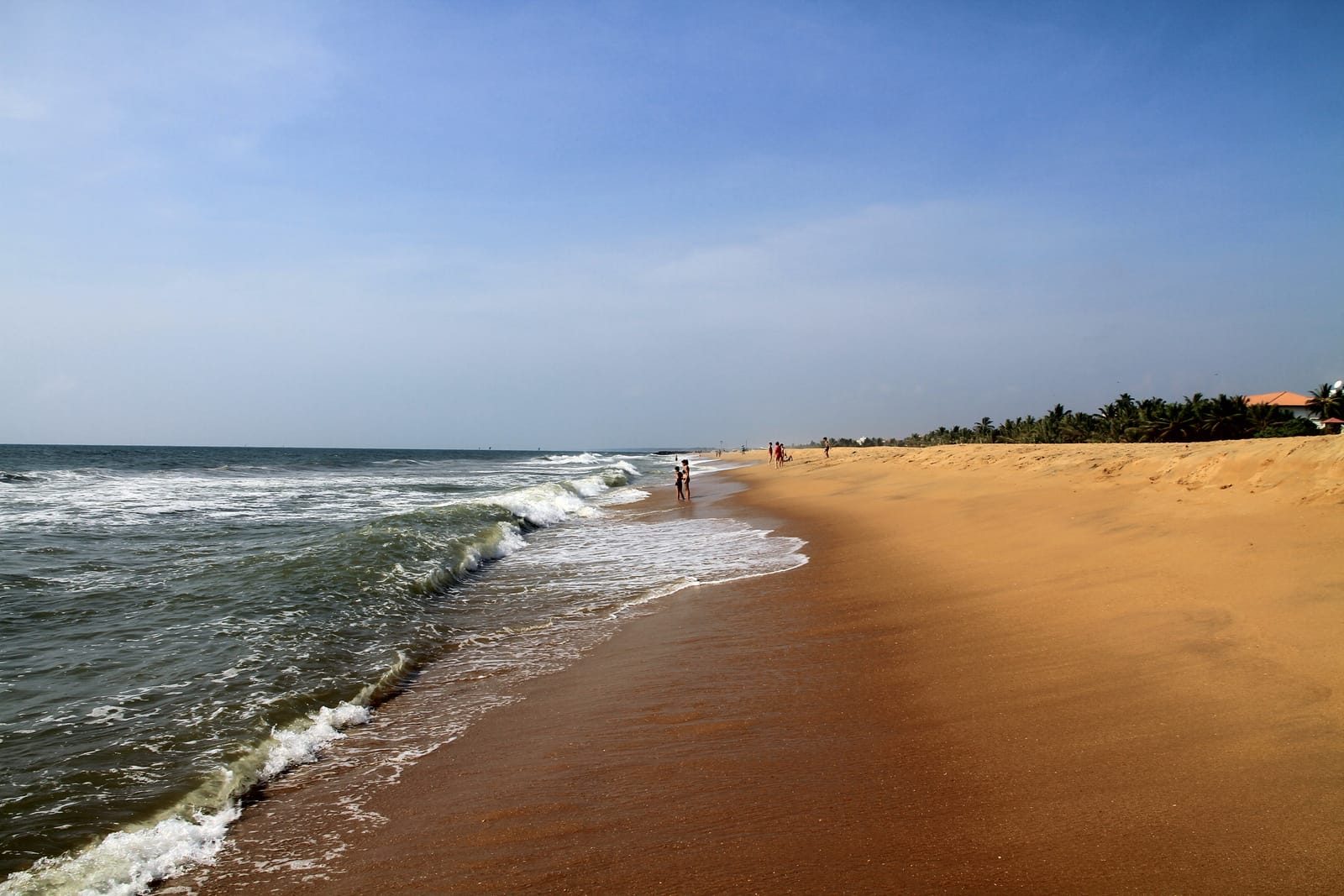
Negombo’s long sandy shore, where fishing boats, resorts and beach bars share the same view of the sunset.

Traditional oruwa outrigger canoes pulled up on the golden sand of Negombo Beach at sunset Beach & sea

Negombo Beach

Golden sand, outrigger sails and big west-coast sunsets

A long ribbon of golden sand running north from Negombo town, lined with guesthouses, beach bars and traditional oruwa outrigger canoes. It is not Sri Lanka’s best swimming beach, but for sunsets, seafood and an easy first or last night on the island it is hard to beat.
Lagoon, canal & wetlands

The mangrove lagoon, the Dutch-era canal and the wild wetlands to the south — best explored by boat.

Fishing boat gliding past mangroves on Negombo Lagoon in soft evening light Lagoon, canal & wetlands

Negombo Lagoon

Mangroves, fishing traps and golden-hour boat rides

A broad, shallow estuarine lagoon of roughly 35 square kilometres on Negombo’s southern edge, fringed with mangroves and worked by generations of fishermen. A boat trip through its channels and islands, ideally at sunset, is one of the most rewarding things to do in Negombo.

Boat on a quiet mangrove-lined waterway in the Muthurajawela wetlands near Negombo Lagoon, canal & wetlands

Muthurajawela Wetlands

Sri Lanka’s great coastal marsh, just south of Negombo

A vast coastal marsh between the Negombo Lagoon and Colombo, and the country’s largest saline coastal peat bog. Boat trips through its mangroves and canals reveal kingfishers, herons, water monitors, macaques and, with luck, crocodiles — a surprising slice of wilderness close to the capital.

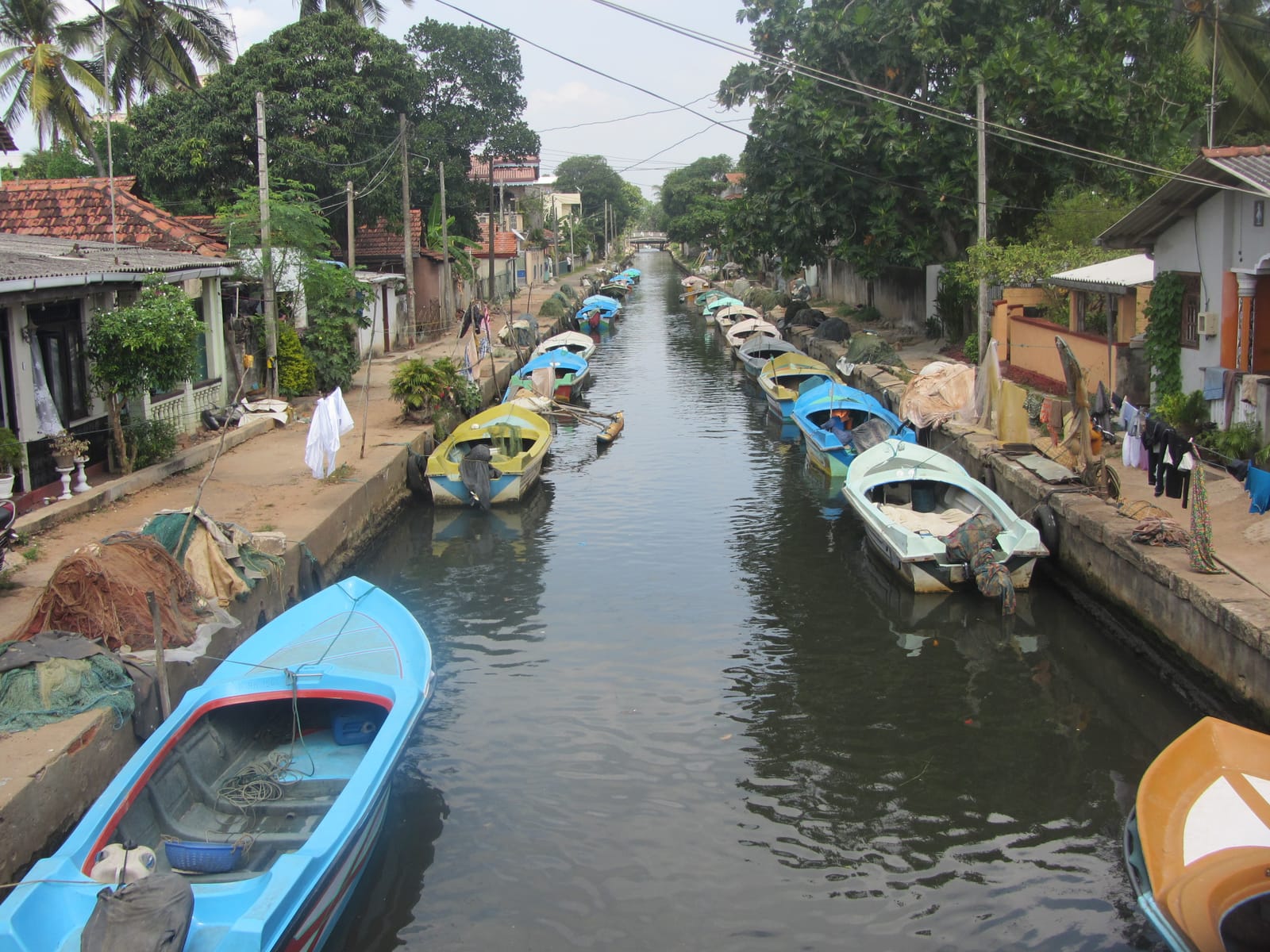
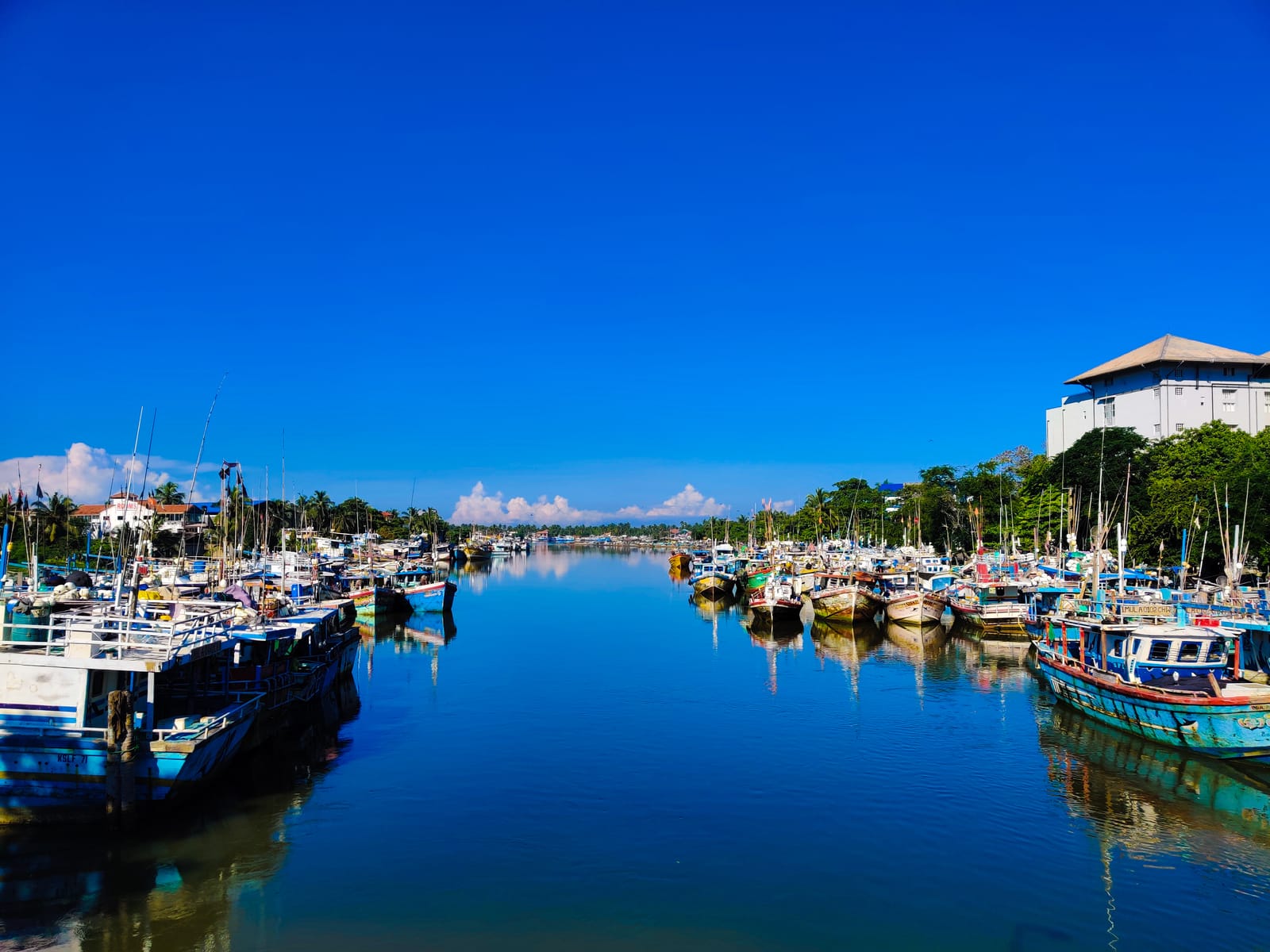
Fishing boats moored along the Dutch Canal in Negombo with palm trees on the banks Lagoon, canal & wetlands

Hamilton Canal (Dutch Canal)

Colonial waterways linking Negombo to Colombo and beyond

Negombo’s canal network, known locally as the Dutch Canal, dates back to the colonial era: the Hamilton Canal itself was cut by the British between 1802 and 1804. Today its banks are lined with fishing boats, homes and mangroves, and it makes a lovely setting for boat trips and bike rides.

Town, faith & heritage

Churches, a colonial fort, a Buddhist temple and a fish market that sum up Negombo’s many layers.

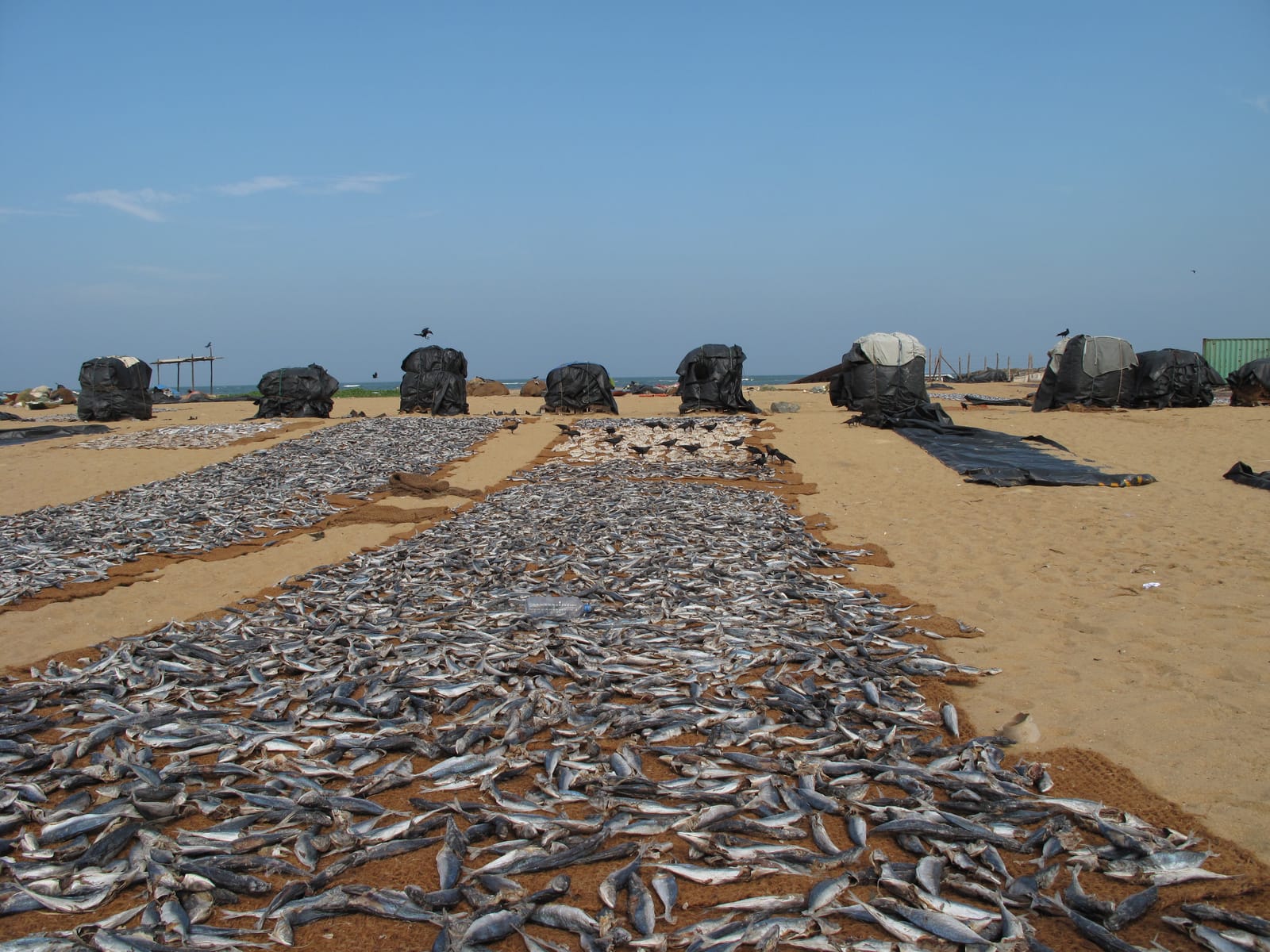
Fishermen and traders among the catch at the Lellama fish market in Negombo early in the morning Town, faith & heritage

Negombo Fish Market

Dawn auctions, tuna by the tonne and sun-dried fish

The Lellama fish market by the lagoon mouth is one of the busiest in Sri Lanka, with the catch auctioned from before dawn. Nearby, whole stretches of beach are given over to drying fish in the sun — a raw, noisy and unforgettable look at the industry that built Negombo.

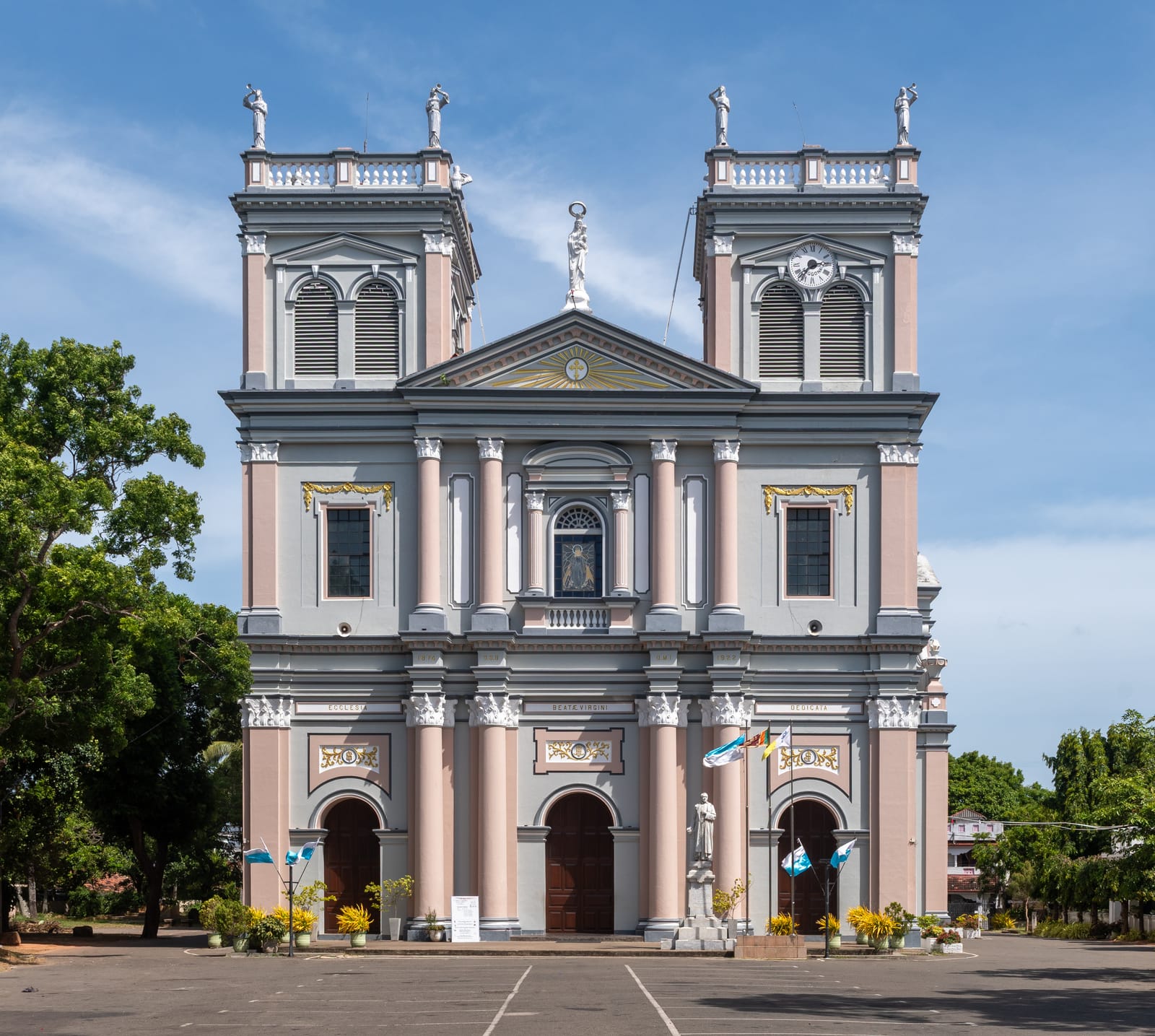
Pale neoclassical façade of St Mary’s Church on Grand Street in Negombo Town, faith & heritage

St Mary’s Church

The grand heart of “Little Rome”, with a remarkable painted ceiling

One of the largest Catholic churches in Sri Lanka, St Mary’s rises above Negombo’s Grand Street. Built between 1874 and 1922, it is famous for its ceiling paintings by local artist N. S. Godamanne and is the best introduction to why Negombo is called “Little Rome”.

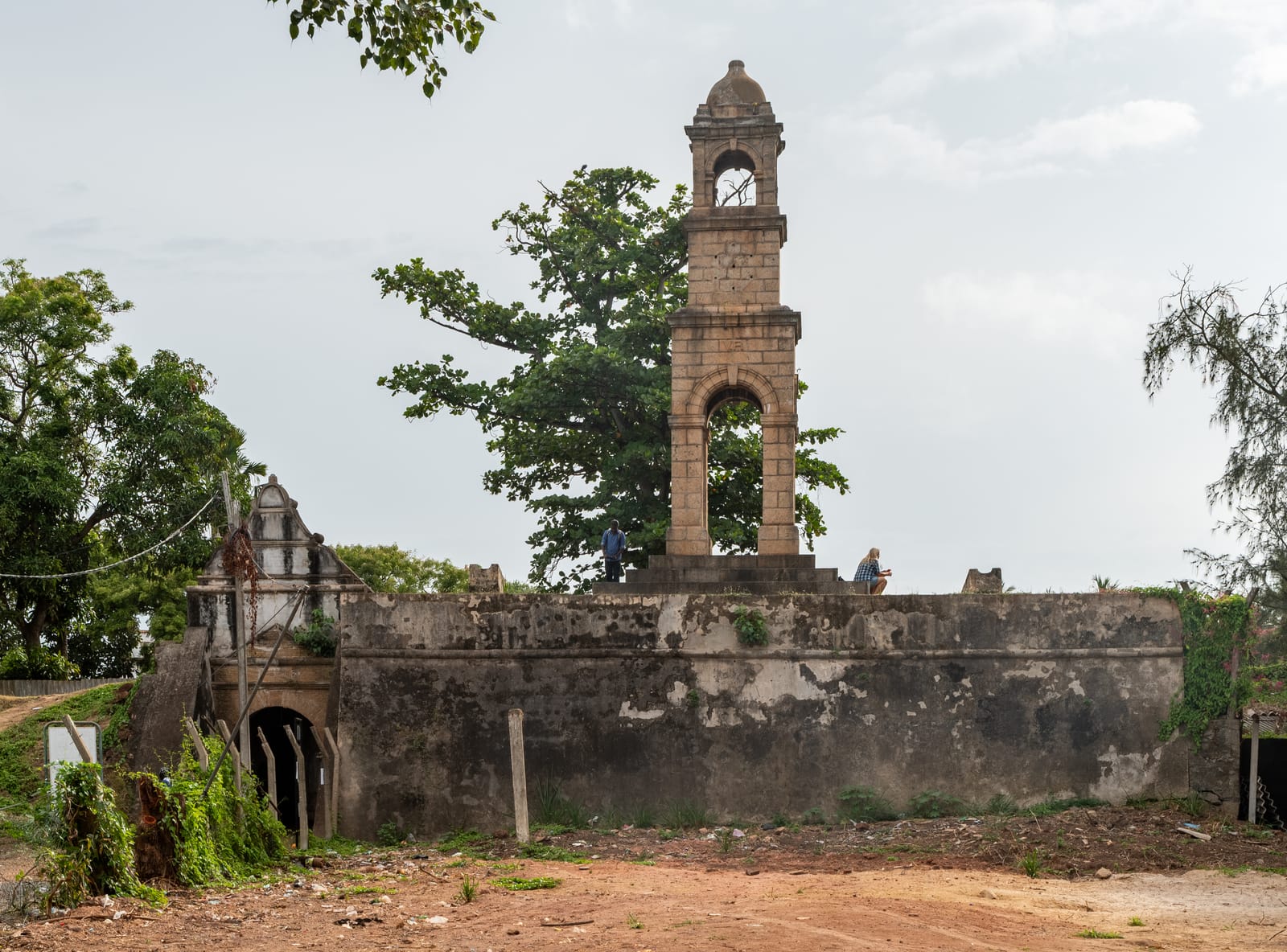
Stone gateway of the Dutch fort in Negombo with the date 1678 carved above the arch Town, faith & heritage

Negombo Dutch Fort

A 1678 gateway and a colonial clock tower by the lagoon

All that remains of Negombo’s colonial fort is an impressive gateway dated 1678, a stretch of rampart and a British-era clock tower, set beside the lagoon mouth. The site is still used as a prison, so it is viewed from outside, but it is an easy and atmospheric stop near the fish market.

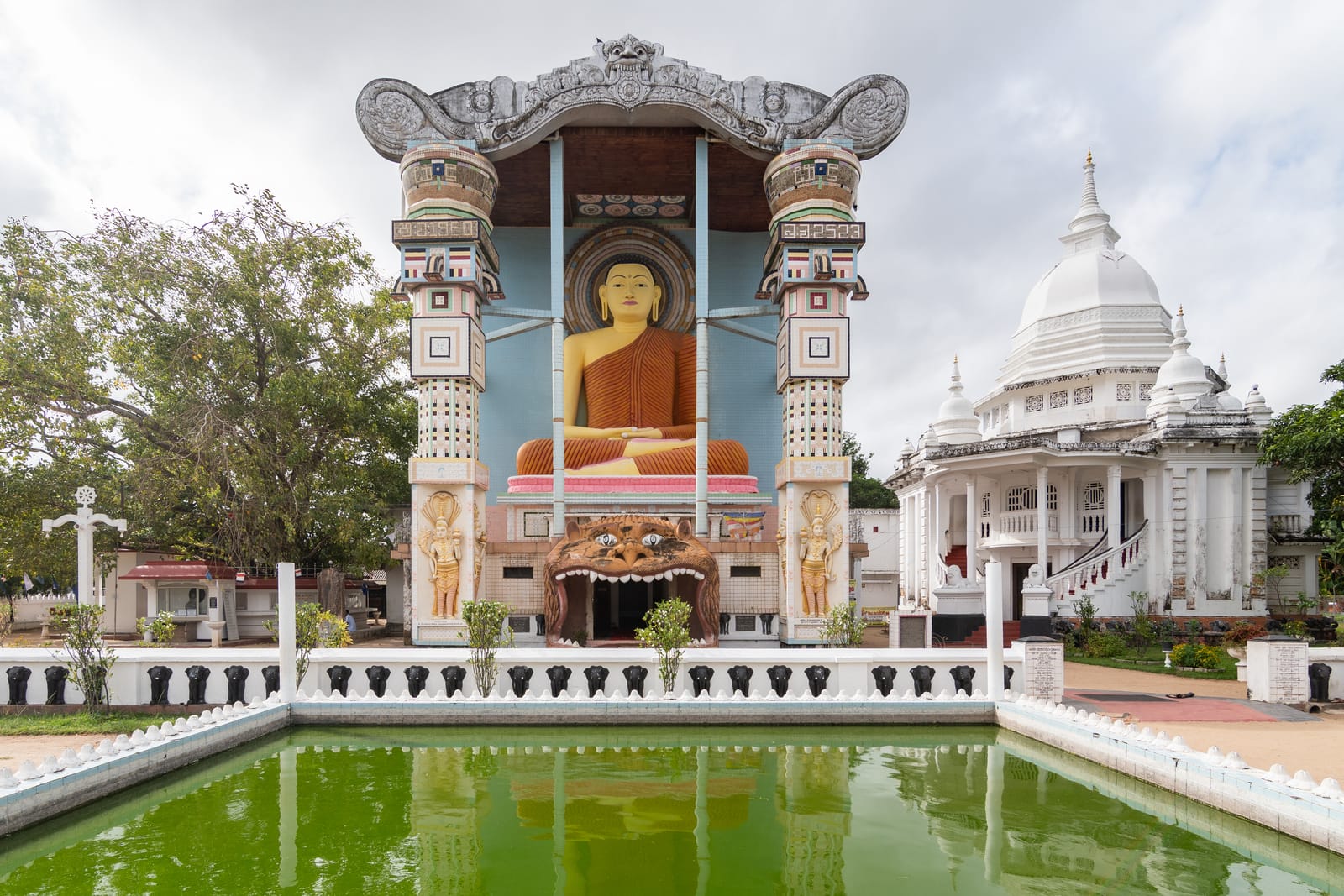
Entrance to Angurukaramulla Temple in Negombo shaped like the open mouth of a dragon Town, faith & heritage

Angurukaramulla Temple

Walk through a dragon’s mouth to a giant seated Buddha

Negombo’s best-known Buddhist temple is entered through the gaping jaws of a dragon-like makara. Inside wait a seated Buddha statue around six metres tall and colourful murals of the Buddha’s past lives — a vivid contrast to the town’s many Catholic churches.

Plan your Negombo stay

Turn your first (or last) night in Sri Lanka into a highlight

Lagoon safaris at sunrise, tuk-tuks through fishing villages and easy day trips to Sri Lanka’s greatest sights — all 20 minutes from Colombo airport. Compare tours and book in a couple of taps.

Good to know

Things to do in Negombo: FAQs

Frequently asked questions

What is Negombo famous for?

Its fishing industry and seafood, its many Catholic churches (it is nicknamed “Little Rome”), the Negombo Lagoon, the Dutch canal and its beach — and for being the closest resort town to Colombo’s international airport.

What can I do in Negombo in one day?

Visit the fish market early, take a tuk-tuk tour of the Dutch fort, St Mary’s Church and Angurukaramulla Temple, relax on the beach at midday and end with a sunset boat tour on the lagoon. Our best tours page lists the top-rated options.

Is Negombo good for families?

Yes. Resorts have pools and gardens, boat tours are gentle and short, and elephants, dolphins and wildlife parks are all reachable on day trips. Just be careful with the sea during the monsoon months.