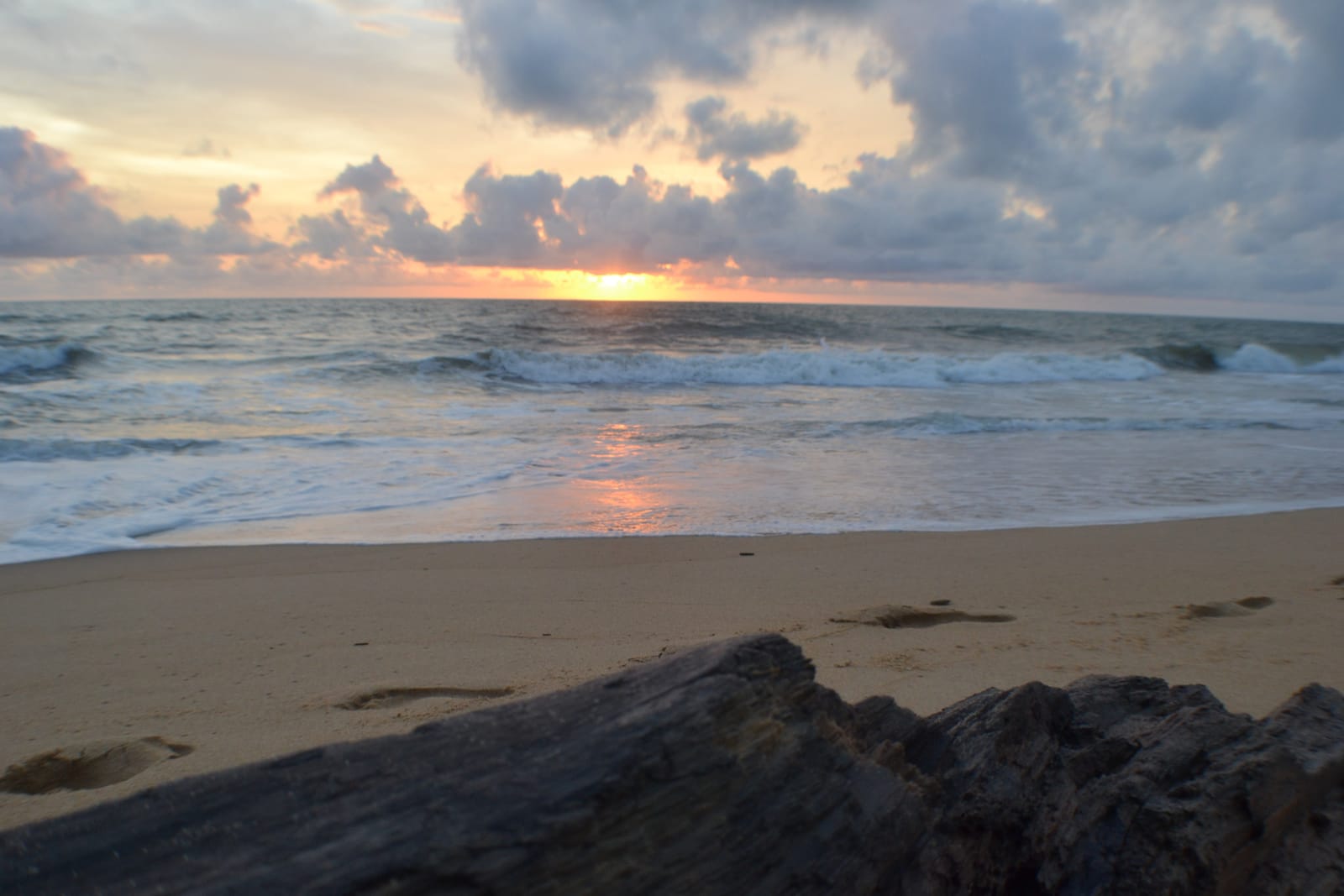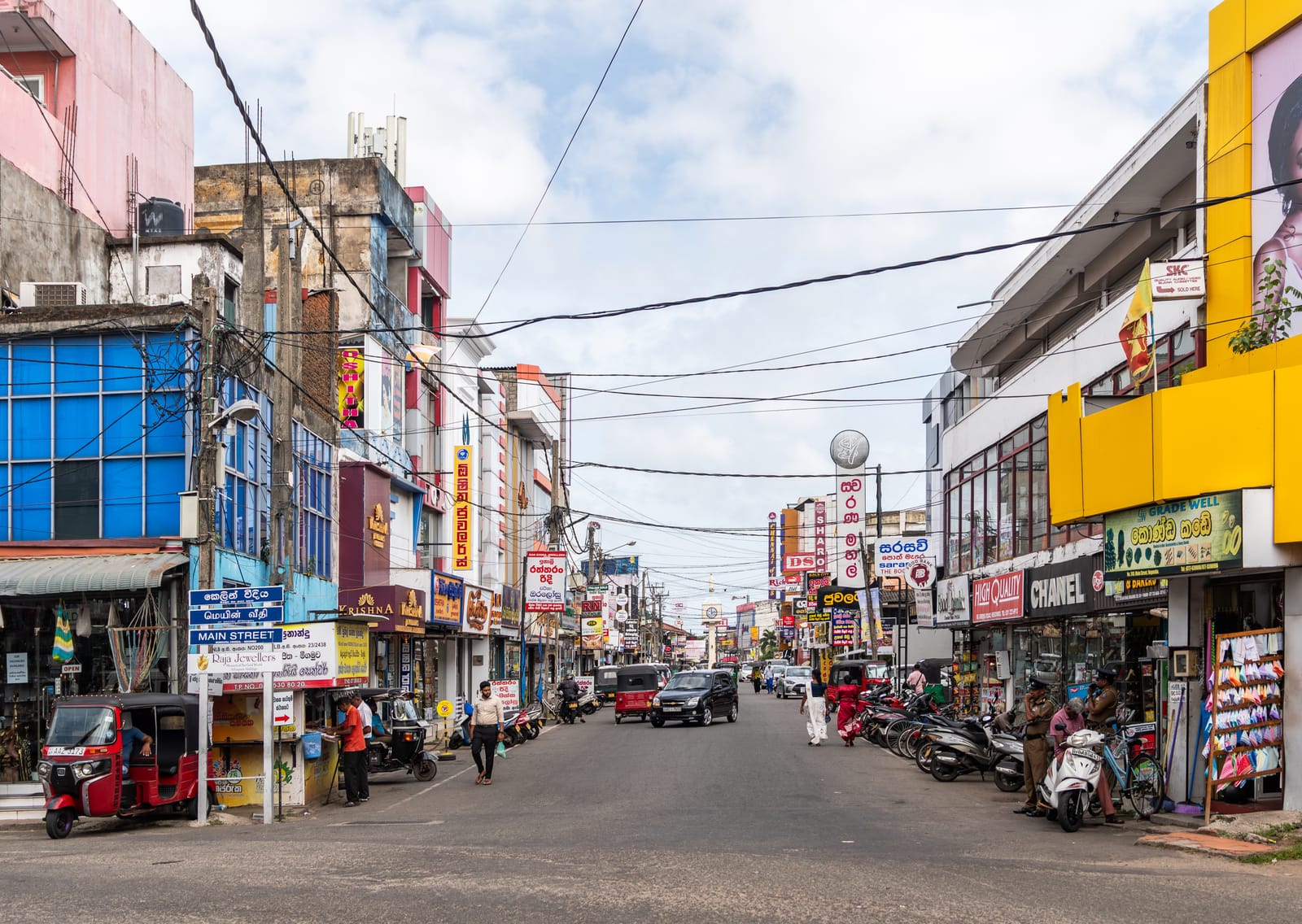
Negombo (Meegamuwa in Sinhala, Neerkozhumbu in Tamil) is a busy fishing town of around 150,000 people on Sri Lanka’s west coast. It lies on a strip of land between the Indian Ocean and a large lagoon, 37 km north of Colombo and minutes from the international airport.
This guide covers the practicalities — getting around, money, food, safety and etiquette — and suggests how to spend one, two or three days here.
A short history of Negombo
Negombo’s natural harbour and its cinnamon-rich hinterland attracted Muslim traders long before Europeans arrived. The Portuguese built a fort here in the 16th century and converted much of the fishing community to Catholicism — which is why the town is still nicknamed “Little Rome” and is filled with churches and roadside shrines.
The Dutch captured Negombo in the 1640s, rebuilt the fort and dug the canals that still run through town, using them to move cinnamon to Colombo. The British took over in 1796 and extended the canal network. Today Negombo is best known for its fishing fleet, its seafood and its role as Sri Lanka’s gateway town.
Negombo’s neighbourhoods at a glance
- Town centre — the fish market, Dutch fort, bus and train stations, St Mary’s Church and busy shopping streets.
- Ethukala / Lewis Place — the beach strip with most hotels, restaurants and bars, 2–4 km north of the centre.
- Lagoon side and Pamunugama — quieter, with boutique hotels and access to the lagoon and Muthurajawela.
- Kochchikade and Waikkal — resort area 10–20 km to the north, with emptier beaches.
- Katunayake and Seeduwa — the airport area, with transit and garden hotels.
Getting around
Tuk-tuks (three-wheelers) are the local taxi. Agree a price before you start or use the PickMe app, which works for tuk-tuks as well as cars. Short hops along the beach strip should cost only a few hundred rupees.
For excursions, a car with a driver is the norm in Sri Lanka and costs less than you might expect; see our <a href="/day-trips/">day-trips guide</a>. Trains and buses link Negombo with Colombo cheaply but are slow and crowded.
What to eat in Negombo
Negombo is one of the best places in Sri Lanka for seafood. Lagoon crab curry, jumbo prawns, cuttlefish and whole grilled fish are local specialities, and many beach restaurants display the day’s catch so you can choose.
- Crab curry — rich, spicy and messy; wear an apron.
- Rice and curry — a plate of rice with several vegetable, dal and fish curries.
- Hoppers — bowl-shaped rice-flour pancakes, often with an egg; a breakfast or dinner favourite.
- Kottu roti — chopped flatbread stir-fried with vegetables, egg or meat; listen for the clatter of metal blades.
- Short eats — samosas, fish buns and patties from bakeries, perfect for a snack.
- King coconut — the orange coconut sold at roadside stalls, the most refreshing drink in the tropics.
Money and costs
- The currency is the Sri Lankan rupee (LKR). ATMs are common in Negombo town and on the beach strip.
- Cards are accepted in most hotels and larger restaurants; carry cash for tuk-tuks, small shops and temples.
- A service charge (often 10%) is added in many restaurants; small extra tips are appreciated.
- Negombo is affordable: local meals cost a few dollars, tourist restaurants more, and seafood is priced by weight.
Safety and common scams
Negombo is generally safe and friendly. The main annoyances are overcharging and persistent touts on the beach strip.
- Agree tuk-tuk fares in advance or use PickMe.
- Be wary of strangers offering “special” gem or spice-shop visits — they are usually commission traps.
- Book boat tours through reputable operators with life jackets.
- Respect warning flags and never swim alone during the monsoon; currents can be dangerous.
- Use mosquito repellent, especially at dusk — dengue is present in Sri Lanka.
Etiquette and dress
- Cover shoulders and knees at churches and temples; remove shoes and hats at Buddhist sites.
- Never pose with your back to a Buddha statue or touch it for a photo — it is considered disrespectful.
- Ask before photographing fishermen and market workers; most are happy if you are polite.
- Topless sunbathing is not accepted; swimwear is for the beach and pool only.
- On Poya (full-moon) days alcohol is not sold anywhere, including hotels.
Suggested itineraries
Arrival day or last day (half day)
Check in, swim, and take a sunset boat tour on the lagoon or a short tuk-tuk loop around town. Finish with a seafood dinner on the beach strip.
One full day
Fish market at dawn, tuk-tuk tour of the fort, St Mary’s Church and Angurukaramulla Temple, lunch and a pool break, then a Muthurajawela or lagoon boat trip at sunset.
Three days
Add a big day trip — Sigiriya and Dambulla, or Kandy and Pinnawala — and a relaxed day for Colombo or simply the beach, a cooking class and an Ayurvedic massage.
- Tuk-tuk city tour — the town’s sights in three hours
- Sunset lagoon boat tour — Negombo’s signature experience
- Sigiriya day trip — the Cultural Triangle from the coast